
What is TMJD?
Temporomandibular joint disorder, also known as TMJ, TMD, or TMJD, is a general term covering any disorder causing inflammation of the temporomandibular joint, which connects the skull to the mandible. There are a number of conditions that can cause pain in the jaw joint and the muscles involved in the closing and opening of the jaw. Disorders affecting the temporomandibular joint can affect a person’s ability to eat, speak, swallow, chew, and breathe.
The set of TMJ disorders are commonly divided into three general categories, though multiple conditions may be present at once.
Inflammatory joint disease: Arthritis is a disease that causes inflammation of the joints. A number of forms of arthritis including rheumatoid arthritis, osteoarthritis, traumatic arthritis and infectious arthritis may have an effect on the jaw joint. Synovitis is another condition that can bring about TMJ pain where the synovial membrane that lines the joint and lubricates it becomes inflamed.
Myofascial pain: The jaw joint and muscles around it can be affected by myofascial pain. This is a disorder where trigger points and muscle tension, commonly in the neck, back and shoulder areas, cause pain in a localized area and referred pain from another region of the body.
Internal derangement of the temporomandibular joint: Between the mandible and the skull is a disc that acts as a cushion. Displacement or deterioration of the disc can cause pain and inflammation of the joint.
A person suffering from TMJD may experience:
- Clicking or popping noise in the jaw
- Being unable to open the mouth comfortably
- Locking of the jaw when trying to open the mouth
- Neck pain, shoulder pain, back pain or headaches
- An irregular bite
- Swelling of the face around the jaw joint
- Ringing in the ears or decreased hearing
- Dizziness and vision problems
TMJ disorders are still relatively unexamined area of medicine, and as such, diagnosis and treatment of these conditions can be difficult. There is no standard accepted test for diagnosing TMJD and both the American Dental Association and the American Medical Association have not established the TMJ area as a specialty due to insufficient scientific research.
Still, what is known about TMJD has been used to effectively treat or manage the symptoms of the condition, and ongoing research continues to evolve treatments and broader understanding of the causes and risk factors for TMJD.
Occasional discomfort or pain of the jaw joint or facial muscles is not uncommon and can occur for any number of reasons. Often TMJ pain goes away within days or weeks, but if the problem persists for a month or more, a doctor should be consulted.
Diagnosing TMJD
TMJ disorders can be difficult to diagnose for a number of reasons. With a less than clear understanding of the causes and exact symptoms of the disorders affecting the temporomandibular joint and surrounding muscles, healthcare professionals may be hesitant to diagnose a TMJ condition. Additionally, the symptoms of TMJD are also characteristic of a number of other conditions, such as a toothache, sinus or ear infections, facial neuralgias, myofascial pain and various types of headaches. If pain in the jaw area is being experienced, a doctor will often recommend tests to rule out or confirm the presence of any conditions.
When a doctor conducts and examination of a patient experiencing pain in the TMJ region, they will begin by taking a detailed health history looking for any injuries, traumas, procedures or conditions that may contribute to the symptoms. The doctor will also physically examine the joint, bones and muscles of the jaw, mouth, face, neck and head to note pain and tenderness, limited motion or locking of the jaw when opening, closing, or moving the jaw side-to-side, and any joint noise that may be present during these movements of the jaw.
There is no standard, widely accepted test used in the diagnosis of TMJD. However, a doctor may require one or more of the following tests to aid in the diagnostic process:
- X-rays of the face, joint and teeth of the patient may help identify the cause of TMJ pain symptoms.
- Magnetic resonance imaging (MRI) is used to view images of soft tissues including muscles and the disc of the jaw joint.
- Computed tomography (CT) scan offers a highly detailed view of bones in and around the jaw.
TMJ disorders fall under the provision of a number of healthcare specialties, such as dentists, ear nose and throat specialists, primary care physicians, pain specialists, rheumatologists and endocrinologists, depending on the potential underlying causes of the condition. Among these professional groups, different tests and identifying symptoms may be used to diagnose a condition affecting the TMJ region. A patient with a complex and difficult to diagnose case of TMJD symptoms may consult a number of specialists before pinpointing likely causes of the condition, yet, as most cases of TMJD can not be cured but rather are treated to prevent worsening and pain, the underlying cause of TMJD does not need to be known to provide quality care for a patient diagnosed with TMJD.
Life with TMJD
A person with a TMJ disorder may experience a progression of symptoms. It’s unknown why symptoms may worsen and improve over time. When a person is affected by symptoms related to the TMJ, the condition is usually manageable with common pain treatments such as over-the-counter pain relievers, exercises, and rest. In most cases, symptoms disappear within weeks.
Those suffering from more persistent symptoms related to disorder, disease or dysfunction of the temporomandibular joint can take steps to reduce painful and disruptive symptoms through basic daily tasks. By making and following a reliable self-treatment schedule, one can provide basic self-care tasks that may improve the condition. For example, regularly performing exercises as recommended by a doctor or physical therapist often improve the symptoms of TMJD.
It’s also recommended that a person with TMJD undertake daily activities meant to reduce tension and stress. Yoga, meditation and breathing exercises may release stress and tightness in the muscles of the face, neck, shoulders and back.
Maintaining good posture at work, while driving, while at home and during recreational activities is also important to the relief of muscle and joint tension in the jaw, neck, back and head. A person should avoid holding the phone between the shoulder and ear and instead hold a phone with a hand to the ear, or use a headset to avoid crunching the muscles of the neck and shoulder and causing unnecessary strain.
Yawning, yelling, singing and other activities that may cause a person to have to open his or her jaw wide should be avoided. If a yawn is imminent, place your tongue on the roof of your mouth and slide it back to limit the opening of the jaw. Avoiding opening the mouth wide to eat is also recommended. Keep food in small and bite-sized pieces, and also opt for softer foods, such as scrambled eggs, mashed potatoes, yogurt, and cooked and diced fruits and vegetables, to avoid aggravating the condition. Crunchy and chewy foods such as salads, nuts, certain breads, and steaks should be avoided.
Support groups such as the TMJ Association helps educate patients on how to minimize the effect of painful and disabling symptoms, updates members on the latest research and news in TMJD studies, and offers those with TMJD a supportive and understanding community to ask questions and share experiences.
Signs and Symptoms of TMJD
The primary symptom of temporomandibular joint disease or disorders is pain in the jaw joint, on either one or both sides, or the closely surrounding areas. Other symptoms include:
- Soreness or aching around the ear
- Stiffness in the jaw
- Locking of the jaw joint or limited movement so that it is difficult to open or close the mouth
- Headaches or aching in the face, head, neck, shoulders or back
- Radiating pain in the face, jaw or neck
- Difficulty chewing, swallowing, eating, speaking or breathing
- Painful clicking or popping in the jaw joint during jaw movement
- Altered, uncomfortable or uneven bite
Occasional mild to moderate pain in the chewing muscles is not uncommon and should not be cause for concern. Popping or clicking noise in the jaw joint is also normal and need not be addressed unless accompanied by pain, discomfort or limitation of movement.
Patients with TMJD frequently experience more than one of the above signs of the condition. However, it may be difficult to diagnose a TMJ disorder because these symptoms are also common of a number of other conditions including cavities, abscess in the mouth, or sinus or ear infection.
Some other diseases are commonly experienced along with TMJD. Other conditions including arthritis, myofascial pain, fibromyalgia, hypermobile joints, irritable bowel syndrome, sleep disorders, Lyme disease, scleroderma, dystonia, or Ehlers-Danlos syndrome, are thought to have an effect on, perpetuate or worsen TMJD symptoms.
If TMJD is suspected, an individual may want to keep a record of any symptoms that occur so that they may share them with a doctor. Take note of any activities that may trigger the pain, any trouble sleeping, the range of symptoms experienced, any recent dental procedures and new activities or stress that may be occurring in your life. Also observe changes to the range of motion in the jaw, any changes in alignment of the jaw, and any points of pain or discomfort to the touch.
Treatment of TMJD
The pain and discomfort associated with TMJD, which stands for temporomandibular joint disorder, can vary from mild and infrequent to severe and debilitating. Depending on the level of pain and associated disability, treatment of TMJD may differ. It can also be addressed through different treatment options based on suspected causes. The important part is to determine what is causing the pain. This is based on getting a good diagnosis, which is what Dr. Hirschinger does at his private practice in Beverly Hills. Muscles can be the cause of pain, osteoarthritis can be the cause of pain, or it can be caused by other issues such as the ear or some of the facial nerves.
If TMJD symptoms don’t hamper daily activities and the pain can be described as between one and three on a ten-point pain scale, the condition is often manageable through patient self-care. This includes performing any of the following basic treatment activities:

- Apply cold and hot packs: An ice pack or cold compress applied to the affected area for 10 to 15 minutes will reduce swelling and inflammation. Moist heat applied to the area between 10 to 15 minutes can also improve circulation to the area and reduce pain.
- Do facial stretching and exercises: Dr. Hirschinger may recommend stretches at his office in Beverly Hills that can help reduce tension in the jaw. Perform prescribed exercises as directed to stretch the muscles of the jaw and relieve unnecessary muscle tension. He is the inventor of the gentle jaw, which is a passive jaw stretching device that is available on Amazon and on www.gentlejaw.com.
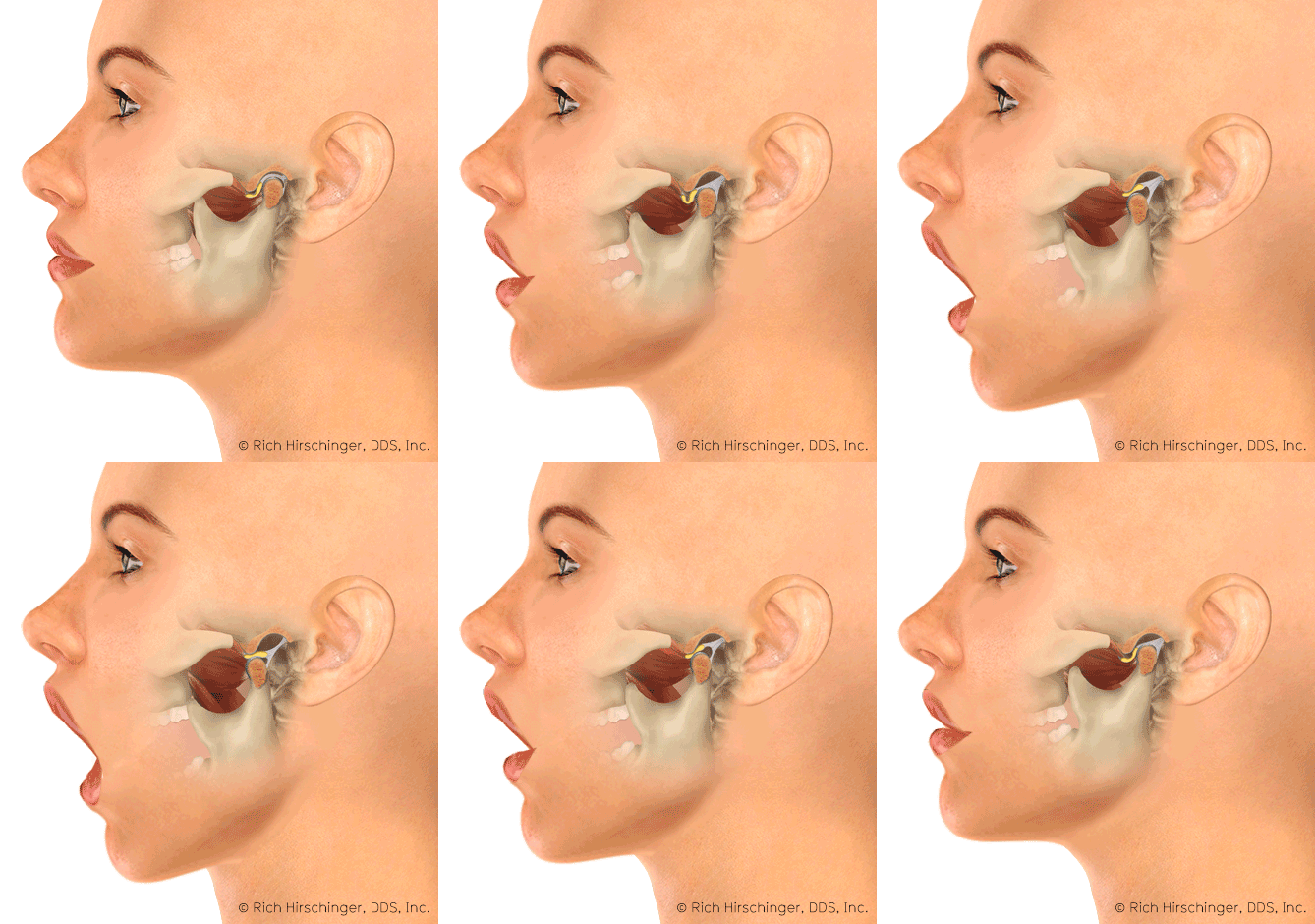
- Hinge-Axis exercise: The image to the right is what we call the “hinge axis” exercise. The teeth should not touch and you don’t want to open very wide, and the motion will look like you have a jaw tremor. You should do this exercise 6 times a day for 30 seconds each time. The goal of this exercise is to stimulate the production of fluid inside the temporomandibular joint.
- Eat soft, small foods: Foods that don’t require much chewing due to small size or soft texture, such as soup, scrambled eggs, cottage cheese, yogurt, cooked beans, diced fruits, and cooked vegetables will be easier to eat than foods that are hard, crunchy, chewy, thick or large. Salad is an example of a food that requires a lot of chewing, and should be avoided with a painful joint. The bottom line is that if you are eating a food that causes pain, stop eating that food.
- Take medicine for pain management: Over-the-counter pain relievers such as naproxen (Aleve) can minimize the experience of pain and reduce inflammation. Dr. Hirschinger may also prescribe stronger pain medications for pain relief. Prescription muscle relaxants may aid patients who grind their teeth by relaxing the muscles of the jaw. Low doses of antidepressants have also been found to reduce pain.
- Avoid high-tension jaw movement: Moving the jaw with excessive force can strain the joint and the muscles that open and close the mouth, and hamper treatments aimed at reducing the pain. Yawning and chewing should be kept to a minimum. Singing or yelling should also be avoided. Proper posture while on the phone or at a computer should be maintained. Avoid clenching the jaw. Practice keeping teeth apart by gently placing the tongue on the roof of your mouth behind your upper front teeth with your teeth slightly separated. Practicing stress reduction techniques to relax muscle tension in the jaw can help alleviate some of the pain and swelling associated with TMJD.
- Use corrective oral appliances: Oral appliances may help reduce tension on the jaw muscles and the joint. Permanent changes in the bite through extensive crown or bridge work and orthodontics have not been proven to be effective and may worsen TMJD symptoms. If a contributing factor is teeth grinding or clenching, a splint or night guard can be worn while sleeping. Clenching and grinding cannot be stopped but the oral appliance will help prevent tooth-to-tooth wear. The goal is that TMJD symptoms will be reduced as the affected area experiences a period of reduced irritation and use.
Sometimes the severity of the TMJD condition is such that more invasive treatment options are required. However, special care must be taken before deciding to undergo any invasive solution. Surgical treatments are often irreversible and remain controversial, as they have not been proven effective by any studies or research. If surgery is being considered when all other treatment options have fallen short of providing satisfactory relief, there are three only a few types of surgery that may be considered:
- Arthrocentesis: This procedure is the least invasive of any procedure. It involves injecting steroids into the joint to reduce inflammation.
- Arthroscopy: This procedure is guided by a very small camera inserted through a small incision in front of the ear. The camera allows the doctor to examine the temporomandibular joint and establish a cause of the TMJ condition, such as tissue inflammation or a misaligned disc or joint. Then the oral surgeon can correct the problem by removing inflamed tissue or adjusting alignment of the joint.
- Open-joint surgery: If arthroscopic surgery is not available for any number of reasons, the TMJ region may need to be opened to allow an oral surgeon full view and access to the temporomandibular joint for diagnosis and correction.
Other less traditional approaches to TMJD have been applied, including ultrasound, radio-wave therapy, transcutaneous electrical nerve stimulation (TENS) and trigger-point injections in the case of TMJD caused by a myofascial condition.