
Causes of TMJD (Temporo Mandibular Joint Disorders)
The set of TMJ disorders are complex and have a variety of underlying causes, not all of which are fully known. It is widely accepted among dental professionals that TMJ disorders can usually be traced back to problems with the joint and the muscles involved in opening and closing of the jaw. However, while injury to the jaw area is often seen among TMJD cases, many times symptoms may be present without obvious cause.
According to the Academy of Orofacial Pain, the causes of TMJD are unclear in large part due to the current theory that the condition is actually the result of several factors working together. Possible contributing factors to inflammation of the temporomandibular joint include:
- Injury to the jaw, including whiplash or stretching due to insertion of a breathing tube.
- Teeth clenching and grinding
- Arthritis
- Infection
- Dental procedures
- Auto-immune diseases
- Hormones
- Genetics
The role of teeth grinding due to stress is also complicated by scientific research that shows many habitual tooth grinders never show symptoms of pain or discomfort of the jaw, while an individual with soreness in the jaw is less likely to grind his or her teeth due to the pain, and that any reported stress can be a result of the painful condition.
One early theory about a possible cause for TMJD was orthodontics, however that belief has been dismissed with scientific evidence. There is current research underway into a possible link between TMJD and hormones because women are more likely than men to experience TMJ pain and soreness.
Disorders of the temporomandibular joint can be categorized in two main groups: myogenous TMJD and arthrogenous TMJD. Myogenous refers to a condition affecting the muscles, usually brought on by overwork or tension in the jaw and supporting muscles. Arthrogenous refers to a joint related condition in either the hard or soft tissues or both, including disc dislocation and arthritis degeneration.
Part of the reason that there is still no agreement among healthcare professionals about the exact causes of TMJD is that TMJ disorders are complex and are likely the result of several circumstances and conditions. Typically a patient will report multiple symptoms as part of the condition and may have experienced more than one of the above listed co-factors.
Groups at Risk for TMJ
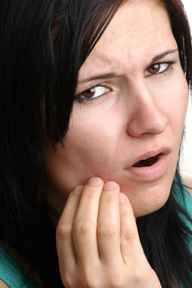
According to the National Institutes of Health, more than 10 million people suffer from TMJ problems at any given time in the United States. Pain in the jaw region is not uncommon and can occur due to a number of causes. However, most TMJ discomfort is temporary and mild. It is when the pain becomes severe, debilitating and prolonged that it becomes a cause for concern.
There are several known risk factors that can make an individual more susceptible to TMJ disorders or diseases, such as:
- Gender: While both men and women may suffer from TMJD, women account for 90 percent of those seeking treatment. It is also widely accepted that women are more likely than men to seek treatment for any health issue in general. Beyond this explanation, however, research is being conducted to determine a possible connection between hormones and TMJD. Some have posited that men and women process pain signals differently, although no evidence has proven to support this claim.
- Age: Individuals with TMJD are most likely to be between the ages of 30 and 50.
- Structural deformity: If the facial bones of the jaw and lower facial region are deformed, the way the jaw works and how the teeth come together can be adversely affected. Inflammation, degeneration, dislocation and pain can all result from this type of deformity.
- Injury: A trauma or injury to the jaw area can translate to long-term issues. TMJD may develop if an injury causes dislocation of the jaw joint or movement of the disc and if muscles of opening and closing the jaw are weakened or strained, among other complicating jaw conditions.
- Stress: A common contributing factor in many health conditions, the presence of high levels of stress put an individual at higher risk of experiencing TMJD. Stress may cause increased muscle tension in the jaw, face and neck, and may also cause a person to grind the teeth or clench the jaw muscles.
- Other diseases: Osteoarthritis and rheumatoid arthritis, fibromyalgia, myofascial pain, sleep disorders and chronic fatigue syndrome frequently occurs among those with TMJD. The relationship between TMJD and other diseases and disorders is unclear, but it is thought TMJD symptoms often occur due to a variety of health factors happening at once.